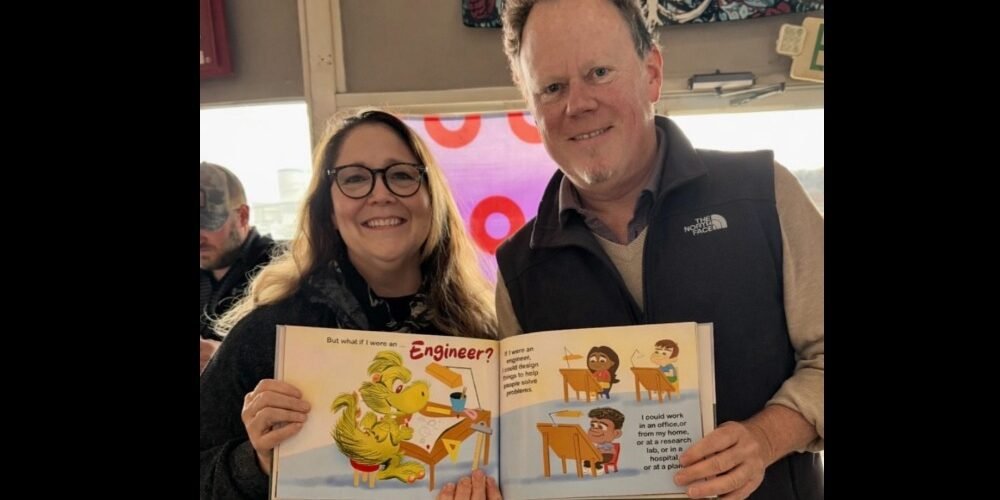
In Fuzzy Dragon Wonders, young readers discover a powerful truth.
Superheroes are real, and they help others through their work. Real-Life Superheroes in Engineering Reflect the Heart of Fuzzy Dragon Wonders throughout these stories.
They do not always wear capes or masks.
Many wear lab coats, teach classrooms, or design tools that heal.
This message sits at the heart of Fuzzy Dragon’s journey.
It is also reflected in the life and career of Alan Eberhardt, PhD.
Through engineering, research, and teaching, he models what a real-life superhero looks like.
Seeing Engineering as a Path to Helping Others
Alan W. Eberhardt is Professor and Associate Chair of Education in the Department of Biomedical Engineering at the University of Alabama at Birmingham.
His work focuses on orthopedic and injury biomechanics.
He also designs rehabilitation and assistive technologies.
These fields exist for a clear purpose.
They help people recover, regain movement, and live independently.
That purpose mirrors the central theme of Fuzzy Dragon Wonders.
Fuzzy Dragon and the kids learn through their adventure that true heroes choose careers that help others.
Dr. Eberhardt has spent his career doing exactly that.
A Professor Who Introduced Biomechanics Before It Was Common
Dr. Eberhardt was my college professor and advisor in the Mechanical Engineering department of the University of Alabama at Birmingham (UAB).
Even then, he was already doing biomechanical research.
Biomedical engineering was not my focus, but it was clearly his.
During my senior year, he encouraged me to approach engineering differently.
He challenged me to think about how mechanics could serve the human body.
He tried to convince me to base my senior design project on the six degrees of freedom of the knee.
At the time, that idea was exciting, but I already had a job at a utility company, so I ultimately chose a different direction.
My senior design project focused on natural modes of vibration and failure analysis.
That choice still reflected his influence.
He emphasized rigor, mathematics, systems thinking, and real-world application.
Looking back, his suggestion showed remarkable foresight.
Today, Dr. Eberhardt serves in the Department of Biomedical Engineering.
His early interest in biomechanics became a lifelong mission.
He now applies engineering directly to improving human health.
From Engineering Foundations to Biomedical Impact
Dr. Eberhardt’s academic path reflects focus and dedication.
He earned bachelor’s and master’s degrees in civil engineering.
Both degrees came from the University of Delaware.
He later completed a doctorate in theoretical and applied mechanics.
That degree came from Northwestern University.
This foundation prepared him for complex problem-solving.
Rather than remaining in theory alone, he chose applied impact.
Biomedical engineering became his way to help others directly.
That decision aligns with the message that Fuzzy Dragon and the kids learn through their adventure.
Research That Directly Improves Lives
Dr. Eberhardt has conducted extensive research in biomedical engineering.
His work directly benefits patients through better medical solutions.
Many projects focus on injury biomechanics and orthopedic care.
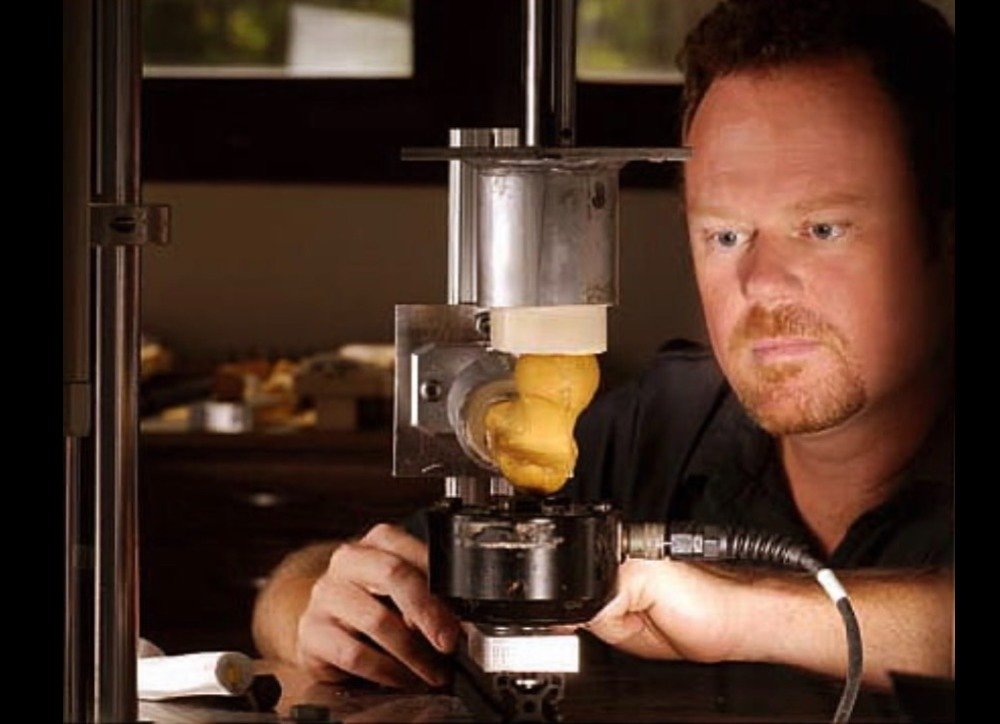
He has studied tendon repair, fracture stabilization, and bone strength.
Other research explores assistive technologies for people with disabilities.
These studies translate into real improvements in quality of life.
This type of work is not abstract.
It affects individuals, families, and communities.
That impact defines a real-life superhero.
Designing Rehabilitation and Assistive Technologies
Another major focus of Dr. Eberhardt’s work involves rehabilitation design.
These technologies support recovery after injury or illness.
They also promote independence and dignity.
Some projects involve virtual exercise environments.
Others address accessibility for wheelchair users.
Each design begins with empathy and careful listening.
In Fuzzy Dragon Wonders, children see engineers as helpers who solve problems.
They learn that helping others takes creativity and patience.
Engineering becomes an act of compassion.
Teaching Future Engineers to Serve Others
Dr. Eberhardt is deeply committed to education.
He teaches senior capstone design and engineering analysis.
He also teaches engineering design and commercialization.
These courses prepare students to solve real-world problems.
They emphasize teamwork, ethics, and responsibility.
Students learn that good design must serve people.
He takes education seriously and invests in his students.
He cares about their learning and development.
That commitment multiplies his impact far beyond the classroom.
Leadership Through Service and Collaboration
Dr. Eberhardt has been recognized as an ASME Fellow.
This honor reflects leadership and professional contribution.
It recognizes service alongside technical excellence.
He has led major research programs funded by federal agencies.
Many focus on technologies for people with disabilities.
These projects require collaboration across disciplines.
Leadership in this space means guiding teams toward impact.
It means choosing service over recognition.
Those are qualities children can recognize as heroic.
Helping Children Recognize Real-Life Superheroes
In Fuzzy Dragon Wonders, children learn an essential lesson.
Superheroes are real because helping others is real.
Jobs that heal, teach, and empower matter deeply.
Alan Eberhardt, PhD brings that lesson to life.
Through research, teaching, and mentorship, he improves lives.
He helps others help others.
When children see engineers as heroes, their world expands.
They begin to imagine futures rooted in service and purpose.
That realization is the true magic behind real-life superheroes.
Thank you, Dr. Eberhardt, for all you do personally and professionally to help others!
Click HERE if you would like to contact us and book a reading, an appearance, or to inquire about making a group book buy. Thank you for reading and don’t forget …. ALWAYS choose to be a Superhero!